
Texas criminal records stay in a central list managed by the state police. This list shows every time the police pick someone up for a crime. It also shows what the judge decided in court. The Texas Department of Public Safety keeps these files in Austin. They use computers to link local police stations to the state office. When a person gets their fingerprints taken, those prints go into the system. This helps make sure the right name is on the right file. These files help bosses, landlords, and police stay safe.
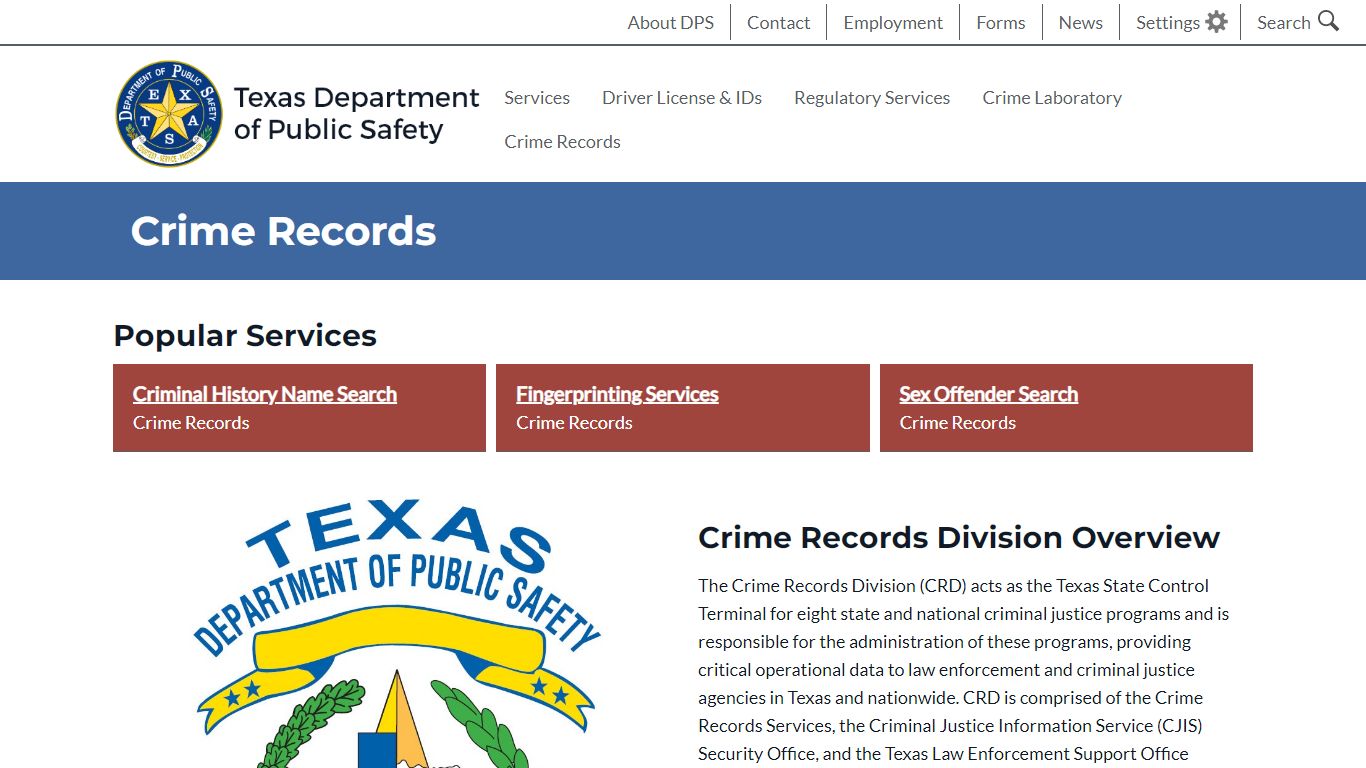
The Crime Records Division and State Data
The Crime Records Division stays busy with millions of files every year. They act as the main hub for the state. They talk to the federal police to share news about crimes. This office looks at eight different programs. These programs track stolen cars, missing kids, and people who broke the law. The staff checks the files every day to fix mistakes. They want to make sure every file is right. More than 1,200 police groups in the state use this data. They use it to see if someone is dangerous or has a warrant. The files help lawyers and jailers do their jobs too.
The system stores over 25 million files right now. Workers run audits to keep the data clean. They look for double names or wrong dates. This work helps investigators plan how to fight crime. It also helps the state decide how to use its money. Public safety depends on these files being fast and correct. When a police officer stops a car, they check this list. They get an answer in seconds. This speed keeps officers safe on the road. The system connects to the national list so Texas knows if a criminal comes from another state.
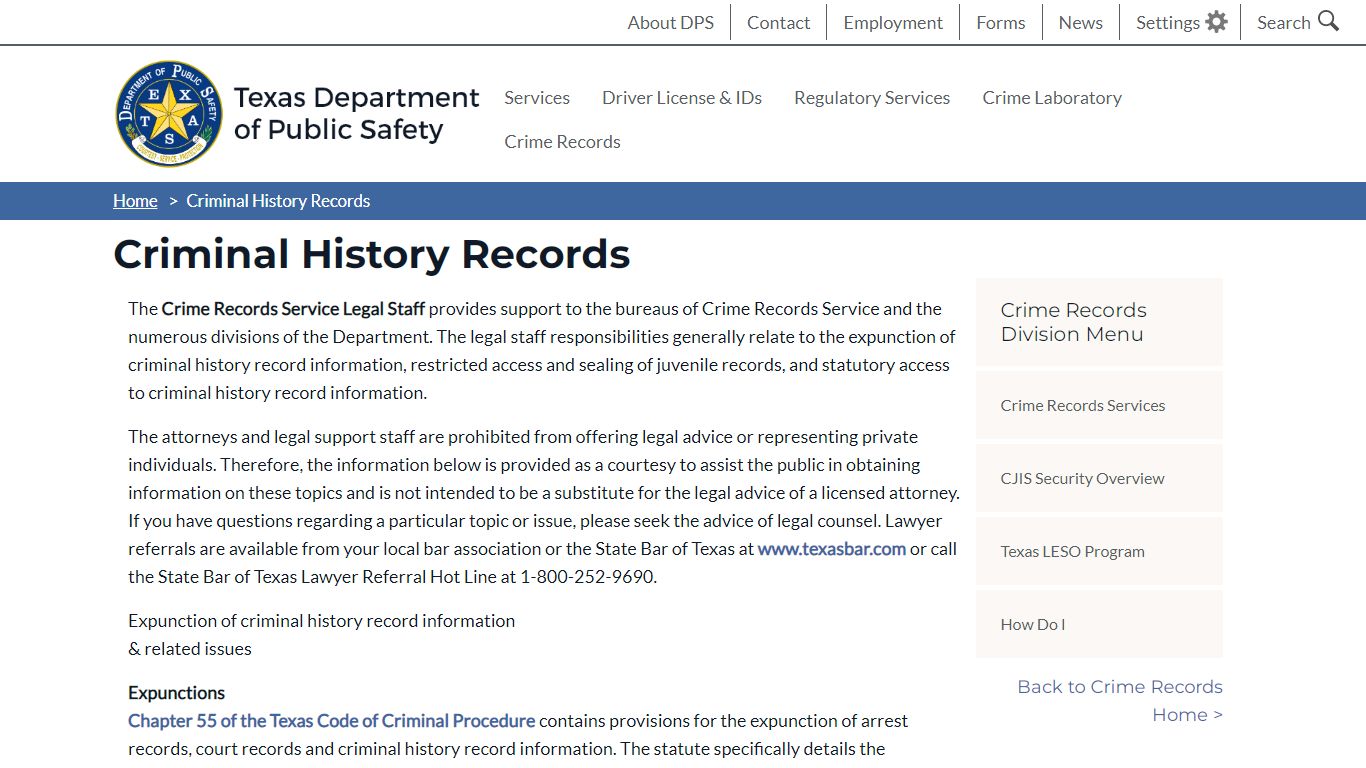
How Chapter 55 Helps With Expungement
Texas criminal records can sometimes be erased through a law called Chapter 55. This part of the state law explains how to clean a file. If a person was found not guilty, they can ask the court to hide the record. They must write a paper called a petition. This paper goes to a judge. The person must also bring copies of their court papers. The state police then check their fingerprints. They want to see if the person has other crimes. If the file is clean, the judge signs an order. This order tells the police to burn or delete the record. This helps people get jobs if they were wrongly accused.
Wait times for this change can be long. A person might wait two years after their case ends to ask for this help. The state police look at 12 million fingerprint sets to verify the person. They must be sure no other charges are waiting. If the judge agrees, the record goes away. It will not show up on most background checks. This gives people a second chance. Many people hire a lawyer to help with these papers. The law is very strict about dates and signatures. If a mistake happens on the paper, the judge will say no. Following the rules in Chapter 55 is the only way to fix a record.
What People See on a Rap Sheet
Texas criminal records are often called rap sheets. These papers list every time someone went to jail. They show the date of the arrest and what the person did wrong. The file lists misdemeanors and felonies. A misdemeanor is a small crime like shoplifting. A felony is a big crime like hurting someone. The file also shows the court case number. It tells if the person went to prison or paid a fine. Some files are public, and some are private. Most bosses can see the public files. They use them to decide who to hire for a job. This keeps workplaces safe for everyone.
The state database adds new news every night. If someone gets arrested today, it shows up tomorrow. Over 9 million people have a file in this system. The files show if a person is on parole. Parole means they left prison early but must follow rules. The file also shows if they are a sex offender. This news is very important for schools and parks. People can search for these files online if they have a name and a birthday. Using the right spelling helps get the right file. The state charges a small fee to see these details. This money pays for the computers that hold the data.
How to Request Your Own Files
Texas criminal records can be checked by the person they belong to. The Criminal Records Service handles these requests. You must fill out a form called a DHS-447. You also need to show two types of ID, like a driver’s license or a passport. The state asks for a $25 fee to run the search. They look back 15 years in the files. They check for every arrest and conviction. After they check your ID, they send the report. It usually takes three business days to get the paper in the mail. This paper is a certified copy. It is official and has a state seal on it.
Having a certified copy helps when you apply for a special license. Some jobs, like being a nurse or a teacher, require this paper. It proves you are telling the truth about your past. If you see a mistake, you can ask the police to fix it. You might need to show them court papers to prove the file is wrong. The state police take these mistakes seriously. They want the list to be perfect. Most people check their own file before they apply for a big job. This way, they know exactly what the boss will see. It prevents surprises during an interview.
The Texas Crime Information Center Operations
Texas criminal records feed into a big machine called the TCIC. This center never sleeps. It stays open 24 hours every day. It sends news to 1,000 police groups across the state. When an officer pulls over a car, they use the TCIC. They can find out if the car is stolen. They can see if the driver has a warrant. A warrant is a paper that says the police need to take the person to jail. The TCIC also tracks missing people. It helps find kids who are lost. It also lists people who have a protective order against them. This helps stop domestic violence.
Every month, the TCIC handles 300,000 questions. It is a very busy system. It gets news from the courts and the jails. If a judge signs a paper, the TCIC knows it in seconds. This keeps the news fresh. If an officer sees a person, they want to know if that person is dangerous. The TCIC gives them that answer. It also links to the federal system in Washington D.C. This means Texas can talk to the FBI. If a criminal runs from another state to Texas, the TCIC will catch them. It is one of the best tools for police in the country.
Fingerprinting and the Check System
Texas criminal records rely on fingerprints to be sure about a person. Names can be the same, but fingerprints are unique. The state uses a company called IdentoGO to take these prints. You go to an office and put your fingers on a glass screen. The computer reads the lines on your skin. Then it sends those lines to Austin. The state police compare your prints to all the prints in their files. This tells them exactly who you are. This check looks at state crimes and federal crimes. It is the most accurate way to look at a person’s history.
If you live far from an office, you can use a paper card called an FD-258. You put ink on your fingers and press them on the card. Then you mail the card to the state. The computer in Austin will scan the card. Results usually come back in 48 hours if you use the digital scanner. If you use the paper card, it takes longer. This check is very important for people who work with money or kids. It stops people from using a fake name to hide a bad past. The system is very hard to trick. It protects the public by knowing the truth.
Prison Records and the TDCJ
Texas criminal records also include time spent in state prison. The Texas Department of Criminal Justice or TDCJ looks after the prisons. They have 34 big prisons and many smaller jails. They look after more than 150,000 people right now. If someone goes to prison, their file moves to the TDCJ list. This list shows what they did and how long they must stay. It also shows when they can get out on parole. People can call the office in Huntsville to ask about an inmate. They can find out where the person is staying and when they can visit.
The TDCJ keeps a list of every person who has ever been in their care. This history helps them decide where to put new inmates. Some people need extra help or doctors. The TDCJ makes sure they get what they need. They also help people learn jobs while they are in prison. This way, when they leave, they can find work. The records show if a person finished these classes. Bosses like to see that someone worked hard to change. The agency also runs the parole offices. These offices watch people after they leave prison to make sure they stay out of trouble.
County Court Records and Management
Texas criminal records start in county courts. Every time a person goes before a judge, a record is made. There are 254 counties in Texas. Each county has its own way of keeping files. Small counties with fewer than 20,000 people use a special computer system. This system helps them keep track of court dates and filings. It makes the work faster by 35 percent. These county files then go to the state police. This is how the state gets its data. If you need to see a specific court paper, you go to the county clerk. They hold the original papers signed by the judge.
The judicial branch helps these counties stay organized. They send out a newsletter to teach clerks how to use the new computers. This helps every county stay on the same page. When every county uses the same system, it is easier to share news. If someone has a case in a small town, a big city police officer can still see it. This web of data keeps the state safe. It also makes sure people get their day in court on time. The clerks work hard to file every paper correctly. A mistake in court can change a person’s whole file, so they are very careful.
The Public Sex Offender Registry
Texas criminal records include a list of people who committed sex crimes. This is called the Sex Offender Registry. The law says these people must tell the police where they live. They must also say where they work. This news is free for the public to see. You can go online and search by zip code. A map will show you where these people live in your neighborhood. This helps parents keep their kids away from danger. The state police update this map every week. They want the news to be very fresh so people stay safe.
If a person on this list moves, they must tell the police right away. If they do not, they go back to jail. This is a very strict rule. The state also lets websites use this data to keep their users safe. Social media sites can check the list to keep bad people off their apps. Some people can pay for a service that sends them an email when a new person moves nearby. The registry is a major part of public safety in Texas. It shows that the state takes these crimes very seriously. It gives power to the people to know what is happening in their town.
Computerized Criminal History Database Details
Texas criminal records live inside the Computerized Criminal History or CCH. This database is the heart of the whole system. It holds the fingerprint-based files for the state. Every time a person is fingerprinted for a crime, a new entry starts. If they already have a file, the new arrest gets added to it. The CCH shows the whole story from start to finish. It shows the arrest, the charge, and what the court did. It also shows if the person went to prison or stayed on probation. This database is what bosses see when they do a deep background check.
The CCH is very secure. Only certain people can see the full files. Police can see everything. Other people can only see public news. Public news usually means convictions. A conviction is when a judge says you are guilty. If a case was dropped, it might not show up for everyone. The state police manage who can see what. They follow laws to protect people’s privacy while keeping the public safe. The CCH is linked to the national system. This means if a person gets in trouble in another state, it can show up here too. It is a massive web of data that covers millions of people.
Steps to Clear a Record with Non-Disclosure
Texas criminal records can sometimes be hidden through non-disclosure. This is different from expungement. Expungement deletes the record. Non-disclosure just hides it from the public. Police and some state groups can still see it. This is usually for people who finished deferred adjudication. This means the judge gave them a chance to stay out of trouble. If they followed all the rules, the case was dismissed. Then, they can ask the court for an order of non-disclosure. This helps them get jobs and houses because most people will not see the old mistake.
To get this, you must wait a certain amount of time. For some small crimes, you can ask right away. For bigger crimes, you might wait five years. You must file a petition in the court where your case happened. The judge will look at your life since the crime. If you have been good, they may sign the order. Then the state police will mark your file as private. This is a great way to fix your future if you made a one-time mistake. It does not work for every crime, so checking the law is important. Many people find this helps them move on with their lives.
How Police Use Real-Time Data
Texas criminal records help police officers make fast choices. When an officer sees a crime, they need to know who they are dealing with. They use mobile computers in their cars to check the state database. This gives them the person’s name, age, and past crimes. It also tells them if the person is known to be violent. This keeps the officer and the public safe. The data comes from the TCIC and the CCH. Because the system is so fast, the officer gets the news while they are still talking to the person. This prevents criminals from lying about their names.
This real-time data also helps find people who are in danger. If a car is reported stolen, every officer in the state can see the plate number in seconds. If a child is missing, their name and photo go out to every police screen. This fast sharing of news saves lives. The state police work hard to make sure the network never goes down. They have backup systems in case of a storm or power loss. Safety in Texas relies on this flow of news. Every police station, from big cities like Houston to small towns, uses the same powerful data. It makes the whole state act as one team.
Misdemeanors vs Felonies in Records
Texas criminal records divide crimes into two big groups. Misdemeanors are the smaller group. These are crimes like petty theft or small amounts of drugs. They are split into Class A, B, and C. Class A is the most serious misdemeanor. If you get a Class C misdemeanor, you might just pay a fine. Felonies are the bigger group for serious crimes. These are split into degrees. A first-degree felony is very bad, like murder. A state jail felony is the lowest felony. The file clearly shows which kind of crime was committed.
The type of crime changes how long the record stays public. Felonies stay on your record forever unless a judge clears them. They also take away some of your rights. For example, people with a felony cannot vote for a while or own a gun. Misdemeanors do not usually take away these rights, but they still look bad to a boss. Knowing the difference helps people understand their own files. If you have a mistake on your file, check if it says felony when it should say misdemeanor. Fixing this is important because it changes how people treat you. The state police try to keep these labels correct on every page.
Errors in Records and How to Fix Them
Texas criminal records can have mistakes sometimes. A clerk might type the wrong name. A judge might change an order, but the police did not get the news. If you find an error, you must act fast. First, get a certified copy of your record. Then, find the court papers that show the right news. Take these papers to the police station that arrested you. They must send the fix to the state police in Austin. You can also write to the Crime Records Division directly. They have a special unit that looks at errors in fingerprints and names.
Fixing a mistake can take a few weeks. The state must verify the new news before they change the database. Once they fix it, they send you a letter to let you know. It is a good idea to check your file again after a month to make sure the change stayed. Mistakes can stop you from getting a job or a house. Being proactive about your file is part of being a responsible adult. The state police want the records to be correct. They rely on people to report problems so they can keep the data clean for everyone in Texas.
Texas Department of Public Safety – Crime Records Division
Address: 5805 North Lamar Blvd, Austin, TX 78752
Phone: (512) 424-2000
Hours: Monday – Friday, 8:00 AM – 5:00 PM
Official Website: www.dps.texas.gov
Frequently Asked Questions
The following questions cover the most common things people ask about their files in the state of Texas. These answers provide the facts about how long records last, who can see them, and how to change them according to state law.
How long does a crime stay on my record in Texas?
In Texas, a crime stays on your record forever unless a judge signs a paper to remove it. Many people think that crimes go away after seven or ten years. This is not true for the official state list. While some background check companies for jobs only look back seven years, the police and the state see everything. Even a small crime from twenty years ago will show up if you do not get it expunged or hidden. This is why it is so important to follow the law and seek help if you want to clear your name. The only way to truly delete a record is through the expunction process described in Chapter 55 of the state code. If you do not take that step, the file remains in the database in Austin for the rest of your life. This applies to both misdemeanors and felonies. Even if you were arrested but the charges were dropped, the arrest record stays there. You must ask the court to remove the arrest record if the case did not lead to a conviction.
Can I see someone else’s record for free?
You can see some parts of another person’s record for free, but not everything. The public sex offender registry is always free. You can search it by name or map. For other crimes, you usually have to pay a small fee. The state police website has a public search tool. You have to create an account and buy credits. Each search costs a few dollars. This search only shows convictions and deferred adjudication. It does not show every arrest or cases that were dismissed. To see a full file, you usually need the person’s permission or a legal reason. Many third-party websites say they offer free records, but they often have old or wrong news. The only way to get the real, fresh news is through the state database. Most people use this to check on someone they are hiring or a person they are dating. It provides a layer of safety, but you should always use the official state tools to be sure the news is right.
What is the difference between expungement and non-disclosure?
Expungement and non-disclosure are two ways to deal with a bad record, but they do different things. Expungement is the best choice because it completely deletes the record. It is like the crime never happened. You can even say “no” if a boss asks if you were ever arrested. However, expungement is hard to get. It is mostly for people who were found not guilty or had their charges dropped very early. Non-disclosure is easier to get but it does not delete the record. Instead, it hides the record from the general public. Bosses at regular jobs and landlords will not see it. But, police officers, state agencies, and some licensing boards will still see it. If you want to be a teacher or a doctor, they will find the hidden record. Non-disclosure is usually for people who finished a special type of probation called deferred adjudication. Both options require you to file papers with a judge and wait for them to say yes. It is a legal process that takes time and sometimes costs money for filing fees.
Will a dismissed case show up on my background check?
Yes, a dismissed case will usually show up on a background check in Texas. Many people think that if the judge throws out the case, the record vanishes. That is not how the system works. The record shows the arrest first. Then it shows the court’s choice to dismiss the case. The arrest itself is a piece of news that stays in the system. Bosses will see that you were arrested but not convicted. This can still be a problem for some jobs. To make the dismissed case go away, you must go through the expunction process. Once the expunction is done, the arrest and the dismissal are both deleted. This is the only way to make the file completely clean. If you just leave it alone, anyone who runs a background check will see that the police once took you to jail. Most people find that having a dismissal is better than a conviction, but having no record at all is the best goal for their future career.
How do I fix a mistake on my Texas criminal record?
Fixing a mistake on your record starts with finding the error. You should get a certified copy of your file from the DPS. Look at the dates, the charges, and the final results. If you see something wrong, you need to get proof from the court. The court clerk can give you a “certified disposition.” This is a paper that says what really happened in your case. Take that paper to the Crime Records Division. You may need to mail it to Austin with a letter explaining the mistake. If the mistake is about your fingerprints or someone else’s crimes showing on your name, you might need to go to a police station to get a “fingerprint verification.” This proves that you are not the person who committed those other crimes. The state police take these things very seriously because they want the data to be perfect. It may take a few weeks for the computer to show the change. Always keep copies of the papers you send so you have proof that you tried to fix the error.
Can a boss see my records from other states in a Texas search?
A standard search of the Texas state database only shows crimes that happened in Texas. However, most modern background checks look at the whole country. The Texas system is linked to the National Crime Information Center or NCIC. This is a federal system run by the FBI. If a boss runs a fingerprint check through the state, the fingerprints are also checked against the FBI files. This will show crimes from every state. If the boss only does a name search on the Texas public website, they might only see Texas crimes. But most big companies pay for a wider search. They want to know your whole history no matter where you lived. This is why it is important to be honest about your past. If you have a crime in another state, you should look into that state’s laws to see if you can clear it there. Each state has its own rules for hiding or deleting records. Texas cannot fix a record that happened in a different state like Oklahoma or California.
Do I need a lawyer to clear my Texas criminal record?
You do not legally have to have a lawyer to clear your record, but it helps a lot. The laws in Chapter 55 and the rules for non-disclosure are very complicated. You have to fill out specific forms and file them in the right court. You also have to give notice to the police and the district attorney. If you make one small mistake on the form, the judge will reject it. Then you have to start all over and pay the fees again. A lawyer knows the dates and the wording that judges want to see. They can also stand in front of the judge for you. If you cannot afford a lawyer, some cities have “record clearing clinics” where lawyers help for free or for a low cost. You can also look for forms online at the state library website. If your case is very simple, like a wrong arrest where you were never charged, you might be able to do it yourself. But for most people, having a professional helps make sure the record actually gets cleared the first time.
Related Search Terms
The following links provide extra ways to look at records and jail lists. These are helpful for finding more news about court cases and people in custody across the country.
Brooklyn Center Jail Roster Criminal Court Cases Court Falls To Earth Cheapest People Search